Selecting the right plastic packaging is one of the most important decisions for businesses involved in manufacturing, retail, logistics, food service, healthcare, and industrial operations. The right packaging not only protects products during storage and transportation but also enhances brand image, improves customer satisfaction, and helps reduce operational costs.
With a wide range of plastic packaging materials available today, understanding your specific requirements is essential before making a decision. This guide will help you choose the most suitable plastic packaging solution for your business.
1. Understand Your Product Requirements
Different products require different types of packaging. Before selecting packaging materials, consider:
- Product weight and dimensions
- Sensitivity to moisture, dust, or contamination
- Storage conditions
- Transportation requirements
- Food safety or medical compliance requirements
For example, food products often require food-grade packaging materials, while industrial goods may need heavy-duty packaging with enhanced durability.
2. Choose the Right Plastic Material
Understanding different plastic materials can help ensure optimal performance and cost efficiency.
HDPE (High-Density Polyethylene)
HDPE is known for its strength, durability, and excellent resistance to moisture. It is commonly used for shopping bags, grocery bags, and industrial packaging applications.
LDPE (Low-Density Polyethylene)
LDPE offers flexibility and softness, making it ideal for film rolls, stretch films, wrapping materials, and packaging solutions that require elasticity.
LLDPE (Linear Low-Density Polyethylene)
LLDPE provides excellent puncture resistance and tensile strength, making it suitable for stretch films, heavy-duty bags, and industrial applications.
3. Consider Packaging Strength and Durability
Packaging should be strong enough to withstand handling, transportation, and storage conditions. Factors such as thickness, load capacity, and puncture resistance should be evaluated carefully.
Heavy-duty products may require jumbo bags, stretch films, or reinforced plastic bags, while lightweight products may only need standard polyethylene packaging.
4. Evaluate Branding Opportunities
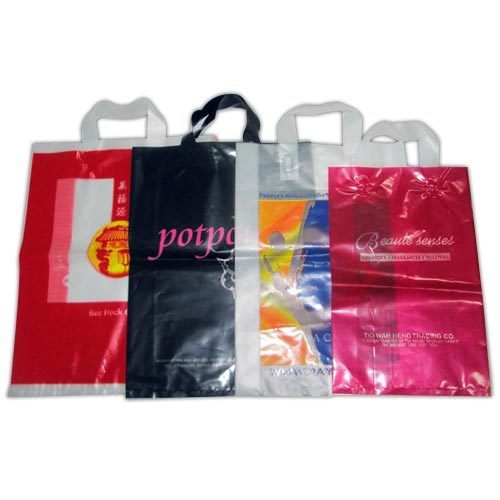
Packaging is often the first thing customers notice about your product. Custom printed packaging can significantly improve brand recognition and create a professional appearance.
Businesses can enhance their visibility through:
- Custom logo printing
- Brand colors
- Product information printing
- Promotional messages
- QR codes and contact details
5. Focus on Sustainability
Many businesses are now prioritizing environmentally responsible packaging solutions. Consider options such as recyclable materials or biodegradable additives where appropriate.
Sustainable packaging not only reduces environmental impact but also improves brand perception among environmentally conscious customers.
6. Select a Reliable Packaging Manufacturer
Partnering with an experienced manufacturer ensures consistent product quality, timely delivery, and professional support. A reliable supplier can also provide customized solutions tailored to your specific business requirements.
Look for manufacturers that offer:
- Custom manufacturing capabilities
- Quality control processes
- Premium raw materials
- Flexible production options
- Export and logistics support
Conclusion
Choosing the right plastic packaging involves balancing product protection, cost efficiency, branding, and sustainability. By understanding your product requirements and selecting appropriate materials and packaging formats, your business can improve operational efficiency while delivering a better customer experience.
At Al Ismail Plastic Factory, we provide a comprehensive range of plastic packaging solutions, including plastic bags, PE films, warning tapes, industrial packaging products, and customized manufacturing services tailored to meet your specific requirements.