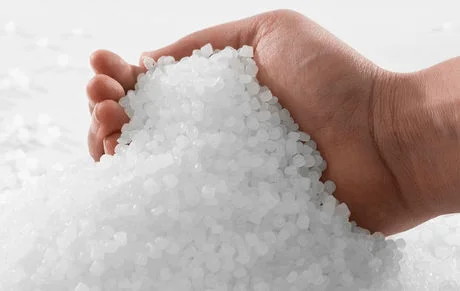
Plastic packaging plays a crucial role in modern industries, from food packaging and retail shopping bags to industrial wrapping and bulk material handling. However, not all plastic materials are the same. Understanding the differences between PE, HDPE, LDPE, and LLDPE can help businesses select the most effective packaging solution for their specific applications.
In this guide, we’ll explore the characteristics, advantages, and common uses of each material to help you make informed packaging decisions.
What is Polyethylene (PE)?
Polyethylene, commonly known as PE, is one of the most widely used plastic materials in the world. It is valued for its versatility, durability, moisture resistance, and cost-effectiveness. Depending on the manufacturing process and density, polyethylene is classified into several types, including HDPE, LDPE, and LLDPE.
Each type offers unique properties that make it suitable for specific packaging and industrial applications.
HDPE (High-Density Polyethylene)
HDPE is a strong and durable plastic known for its high tensile strength and excellent resistance to moisture, chemicals, and impact. It has a more rigid structure compared to other polyethylene materials.
Key Advantages
- High strength and durability
- Excellent moisture resistance
- Chemical-resistant properties
- Lightweight and cost-effective
- Suitable for heavy-duty applications
Common Applications
- HDPE Shopping Bags
- Trash Bags
- Jerry Cans
- Industrial Packaging
- Food Packaging Products
LDPE (Low-Density Polyethylene)
LDPE is softer and more flexible than HDPE. It offers excellent stretchability and transparency, making it ideal for packaging applications that require flexibility and ease of handling.
Key Advantages
- Highly flexible
- Good transparency
- Excellent sealing properties
- Moisture resistant
- Easy to process and convert
Common Applications
- PE Film Rolls
- Stretch Films
- Air Bubble Wrap
- Cling Films
- Protective Packaging Materials
LLDPE (Linear Low-Density Polyethylene)
LLDPE combines flexibility with superior strength. It is widely used where puncture resistance and load-bearing performance are important.
Key Advantages
- Excellent puncture resistance
- Superior tensile strength
- High stretchability
- Enhanced durability
- Cost-efficient performance
Common Applications
- Stretch Film for Pallet Wrapping
- Heavy-Duty Packaging Bags
- Jumbo Bags
- Industrial Wrapping Films
- Agricultural Packaging
Comparing HDPE, LDPE & LLDPE
| Property | HDPE | LDPE | LLDPE |
|---|---|---|---|
| Strength | Excellent | Moderate | High |
| Flexibility | Low | Very High | High |
| Puncture Resistance | Good | Moderate | Excellent |
| Transparency | Low | High | Moderate |
| Chemical Resistance | Excellent | Good | Good |
Which Material Should You Choose?
The best material depends entirely on your application requirements.
- Choose HDPE for shopping bags, trash bags, containers, and applications requiring rigidity and strength.
- Choose LDPE for film rolls, wrapping solutions, food packaging, and flexible packaging products.
- Choose LLDPE for stretch films, pallet wrapping, heavy-duty packaging, and applications requiring superior puncture resistance.
Conclusion
Understanding the differences between HDPE, LDPE, and LLDPE helps businesses optimize packaging performance, reduce costs, and improve product protection. Each material offers unique advantages, making it important to select the right option based on your product requirements and operational needs.
At Al Ismail Plastic Factory, we manufacture a wide range of packaging products using premium HDPE, LDPE, and LLDPE materials. Our team can help you identify the most suitable packaging solution for your business requirements while ensuring quality, durability, and cost-effectiveness.